
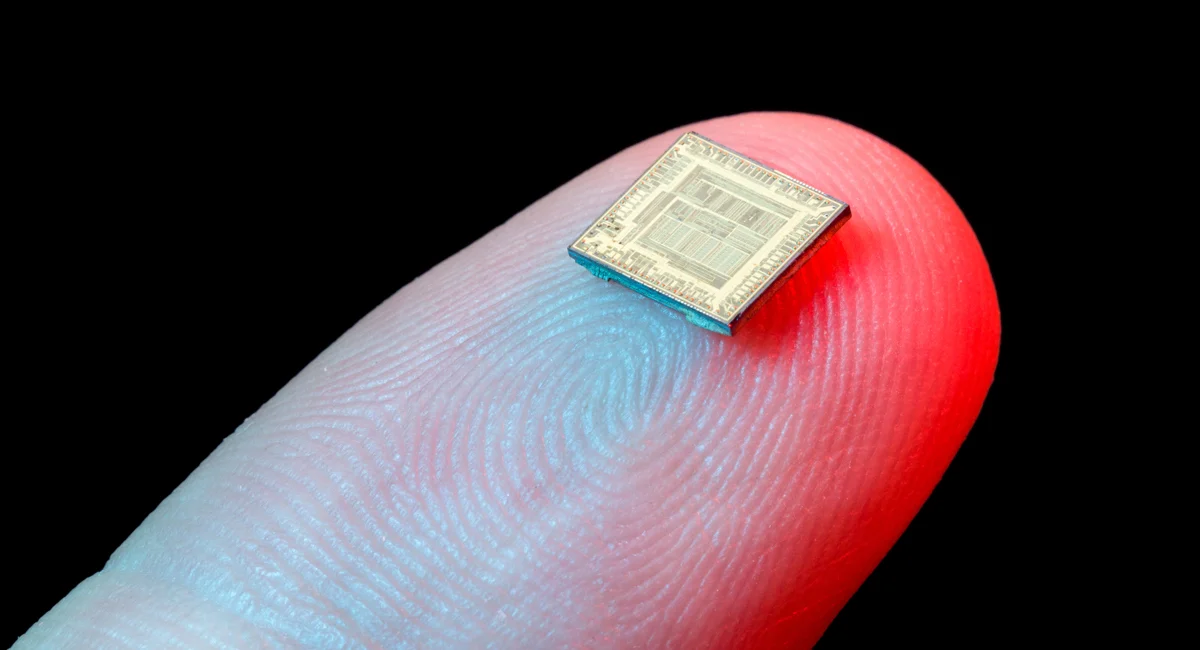
A thought-leadership deep dive into how IoT-enabled IC trays with humidity, ESD, and vibration sensing could become the new standard in intelligent semiconductor supply chains.
01. Introduction: the blind spot inside every semiconductor fab
- Open with a provocative question: what happens to your chips between the last inspection station and the SMT line and does anyone actually know?
- Frame the problem: IC trays travel through environments with fluctuating humidity, electrostatic events, and handling vibration all invisible to current QC systems.
- Introduce the concept: smart trays embed micro-sensors that continuously log environmental data, turning a passive container into an active supply chain data node.
- Thesis: this isn’t science fiction the technology exists today. The question is whether the semiconductor industry is ready to adopt it.
02. What a smart tray actually looks like: the sensor stack
- Humidity & temperature sensors: detect moisture ingress events that degrade JEDEC moisture-sensitive devices (MSD) a leading cause of hidden field failures.
- ESD event loggers: record electrostatic discharge spikes in real time, pinpointing exactly where in the logistics chain ESD exposure occurred.
- Vibration & shock sensors: flag drop events or excessive vibration during transport that could cause micro-cracking in fragile packages before they reach the line.
- All data stored on-tray via low-power microcontrollers and transmitted via NFC, BLE, or RFID at scan points no battery swap required for most use cases.
03. The data layer: from raw readings to actionable fab intelligence
- Sensor data alone isn’t valuable explain how edge processing and cloud dashboards convert tray logs into real-time alerts and historical trend analysis.
- Integration with MES and ERP systems: smart tray data can automatically flag tray lots for re-bake, quarantine, or rejection without manual inspection.
- Traceability upgrade: every chip batch gains a full environmental chain of custody from warehouse through transit to assembly exportable for customer quality reports.
- Predictive potential: ML models can predict which tray conditions correlate with downstream yield loss before defects appear in production.
04. Real-world use cases: where smart trays change the outcome
- Long-haul ocean freight: containers cross the equator twice humidity and temperature swings are extreme. Smart trays expose exactly how long MSDs spent above the safe threshold.
- Multi-stop distribution: chips passing through 3–4 warehouses in different climates accumulate risk invisibly. Sensor logs reveal the exact breach point.
- High-value automotive & aerospace chips: where a single ESD event can create latent failures worth millions in field recalls zero-tolerance traceability becomes non-negotiable.
- Insurance and liability angle: verifiable sensor logs give manufacturers objective evidence in supplier disputes over damage origin.
05. The challenges: cost, standardisation, and industry readiness
- Unit cost: adding sensors increases per-unit cost frame the ROI case: one prevented automotive recall pays for thousands of smart trays.
- Standardisation gap: no universal protocol exists yet for smart tray data formats JEDEC and SEMI are beginning to discuss it but nothing is ratified.
- Reuse vs. single-use dilemma: sensor trays need reliable data reset and sanitation between chip lots adds operational complexity to reusable tray programmes.
- Balanced take: these are solvable problems, not blockers IoT miniaturisation is making smart trays cheaper every year.
06. Conclusion: the intelligent supply chain starts with the tray
- Reframe the bigger picture: every other node in the semiconductor supply chain is already instrumented equipment, cleanrooms, test stations. The tray is the last blind spot.
- Position smart trays as the bridge between passive logistics and active supply chain intelligence as significant as moving from paper travellers to MES systems.
- Close with a forward look: as chip values rise and quality requirements tighten, manufacturers who can prove environmental chain of custody will win contracts others can’t.
- CTA: ‘Interested in what smart tray monitoring could mean for your supply chain? Talk to Delva’s engineering team.’
